
- Articles (20)
- Composers (3)
- Historical Soundscapes (7)
- Music Compositions (11)
- Musicians (1)
- News (0)
- Uncategorized (0)
16th Century 17th Century antiphon collegiates composer convents Franciscans Italy Magnificat Mass motet musicians Palestrina plainchant Polyphony Portugal royal entries Sacred music Spain Évora
- Manuel Botelho, a musician in 17th-century Évora
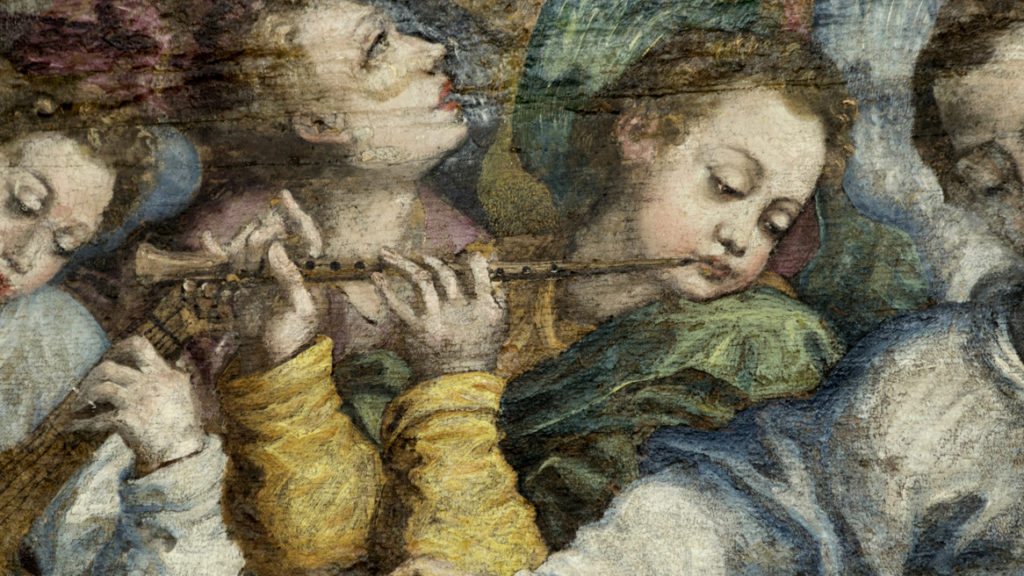 Most of what we read regarding the musical activity in Évora Cathedral from the sixteenth to the eighteenth centuries is frequently focused on the careers and compositions of the institution’s most distinguished chapel masters. Indeed, this happens in many cases as a result of the amount and availability of documental …
Manuel Botelho, a musician in 17th-century Évora Read More »
- The 17th century Portuguese composer Henrique de Faria
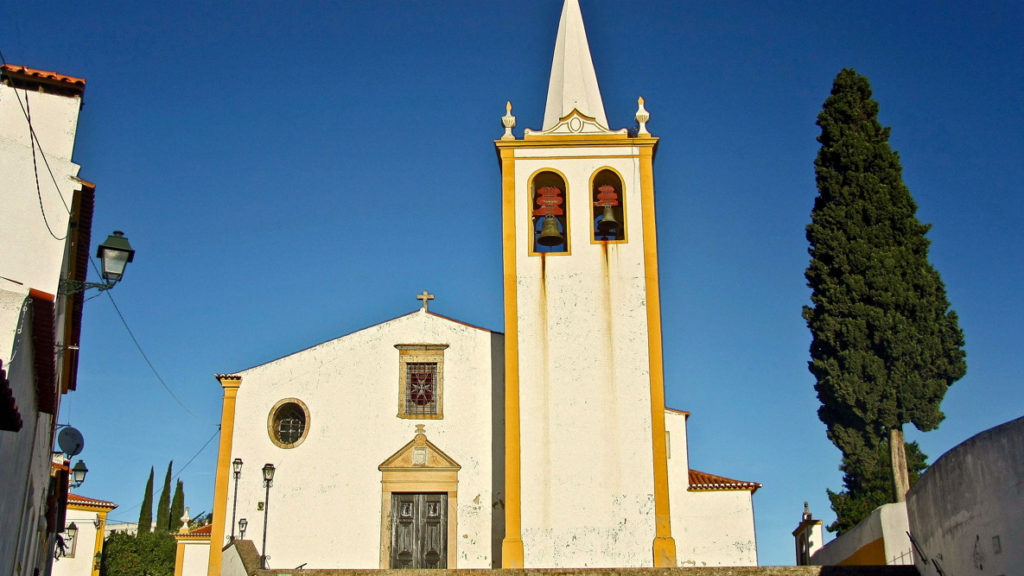 As is the case with many Portuguese composers of the sixteenth and seventeenth centuries, those whose musical careers were mostly developed in ecclesiastical institutions of lesser importance, when compared to the great cathedrals and monastic and conventual houses, are frequently almost unknown with scarce information circulating besides a name, dates …
The 17th century Portuguese composer Henrique de Faria Read More »
- A procession imploring for rain in seventeenth century Évora
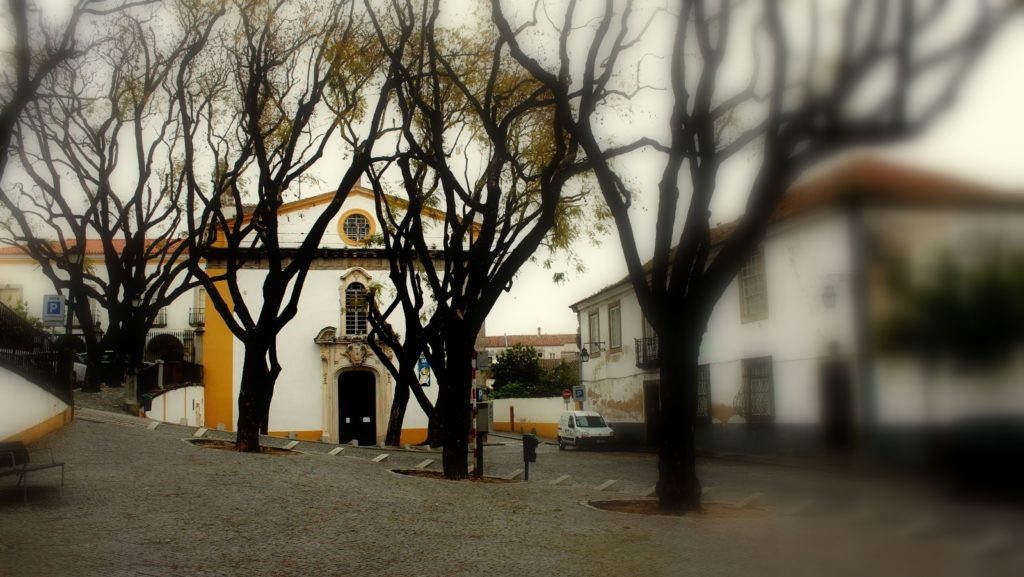 Processions imploring for rain (ad petendam pluviam) are a constant occurrence in the Early Modern World. During the extended periods of extreme drought Man turned to the divine forces to ensure his subsistence directly related to the cultivation of the fields and harvesting of cereals to make bread as well …
A procession imploring for rain in seventeenth century Évora Read More »
- The Missa Salvatorem exspectamus by Gregorio Allegri
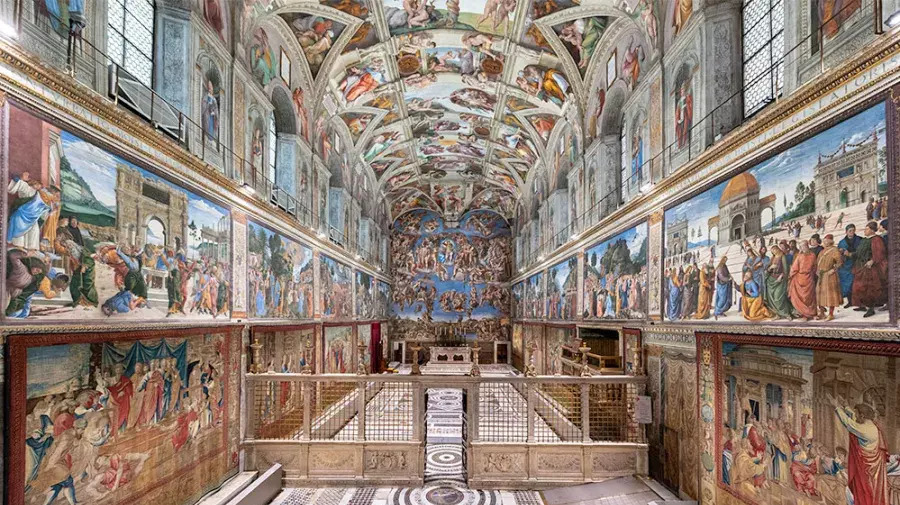 The composer Gregorio Allegri is best known for his Miserere and all the tradition around the Papal chapel during the seventeenth and eighteenth centuries. Besides this wider-known composition, it is not an easy task to list other works by Allegri. The composer was born in Rome sometime during 1582. Together …
The Missa Salvatorem exspectamus by Gregorio Allegri Read More »
- Artists living at Porta Nova of Évora in the 16th century
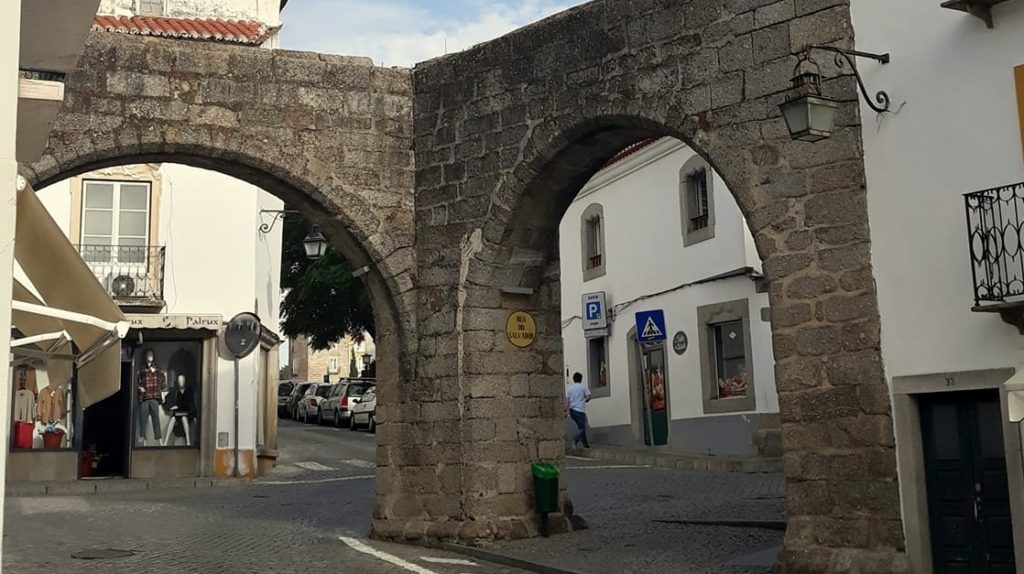 As many early modern cities did, so did Évora have its areas where certain trades were concentrated, arranged throughout specific streets our squares. As we still see today in many of Évora’s buildings the ground floor of most of them in the nowadays historical centre streets were shops where goods …
Artists living at Porta Nova of Évora in the 16th century Read More »
- Organ activity in the Church of Santo Antão, Évora, in the 1570s
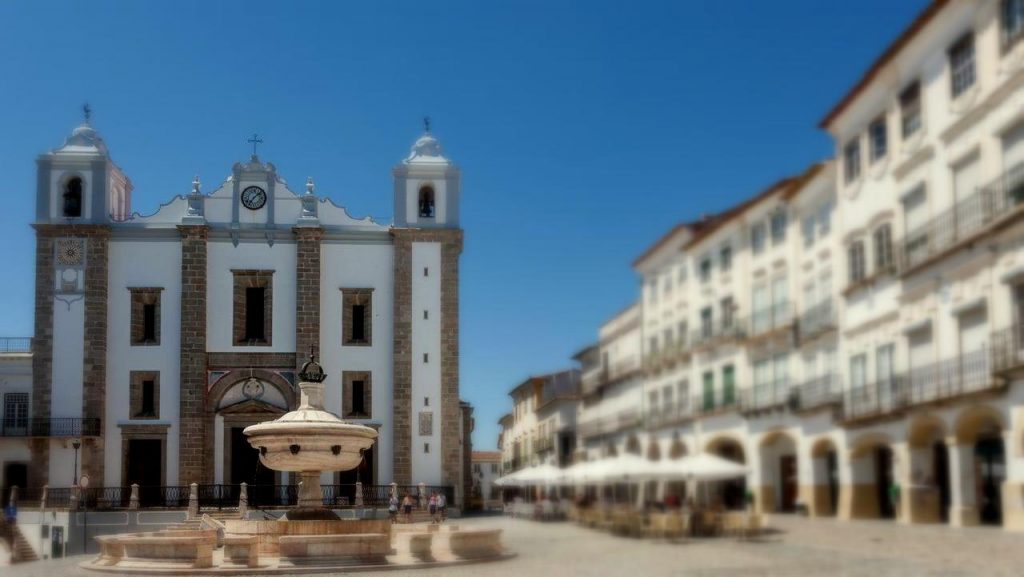 The Church of Santo Antão (dedicated to St Anthony, Abbot) was one of the main construction projects of the Cardinal D. Henrique during his government as Archbishop of Évora. During Medieval times it is referenced as the Church of Santo Antoninho in the city’s main square, annexed to the hospital …
Organ activity in the Church of Santo Antão, Évora, in the 1570s Read More »
- A visit to the Convent of Calvário in Évora by King Philip III
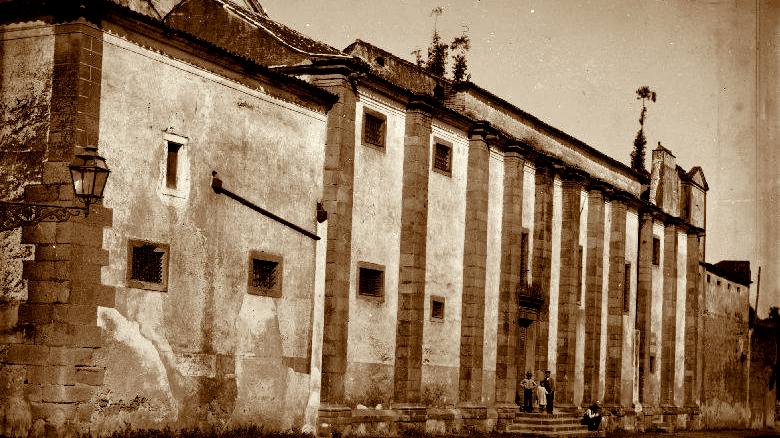 The entries and visits of kings to the cities were always moments of grandeur, consisting in the perfect moments for the commission of artworks as well as social gatherings and much activity among the ruling classes of the cities and villages visited. To write about this would be too extensive …
A visit to the Convent of Calvário in Évora by King Philip III Read More »
- Francisco Velez, a musician in sixteenth century Évora
 To write about musicians, composers, or even chapel masters in Évora during the sixteenth century frequently represents a challenge, to say the least, due to the scarcity of sources and accounts regarding their professional careers or their own biographies. The case of the singer, composer, and master Francisco Velez is …
Francisco Velez, a musician in sixteenth century Évora Read More »
- Two mid-16th-century Cecilian parody masses
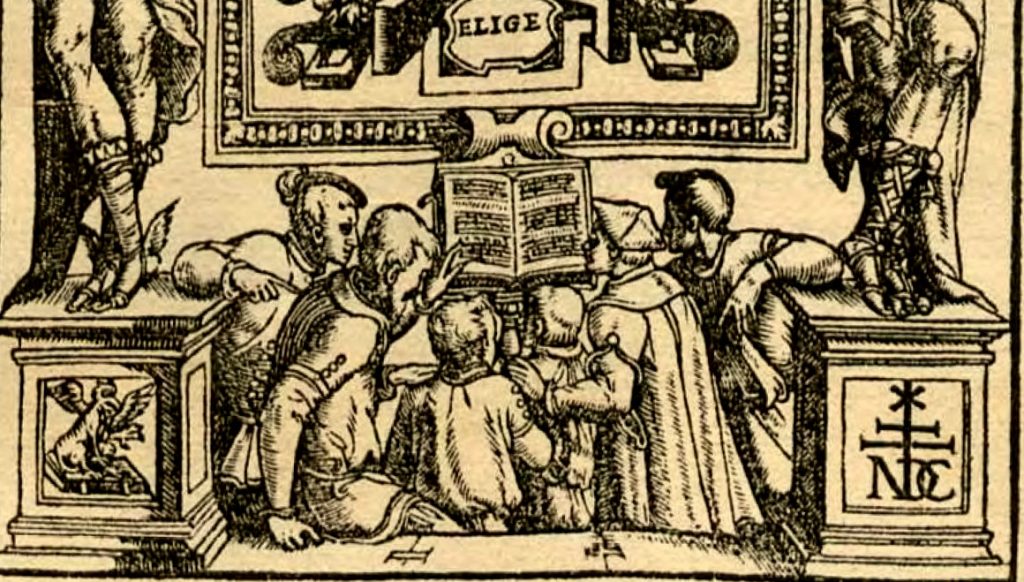 When speaking of Cecilian music, one generally has the idea of the nineteenth-century movement, mostly centred in Germany, that pushed a reformation of Catholic church music, aiming to restore a more traditional religious feeling and the authority of the church in regard to the sacred music repertoire. This movement of …
 - The motet Ad te levavi animam meam by Palestrina
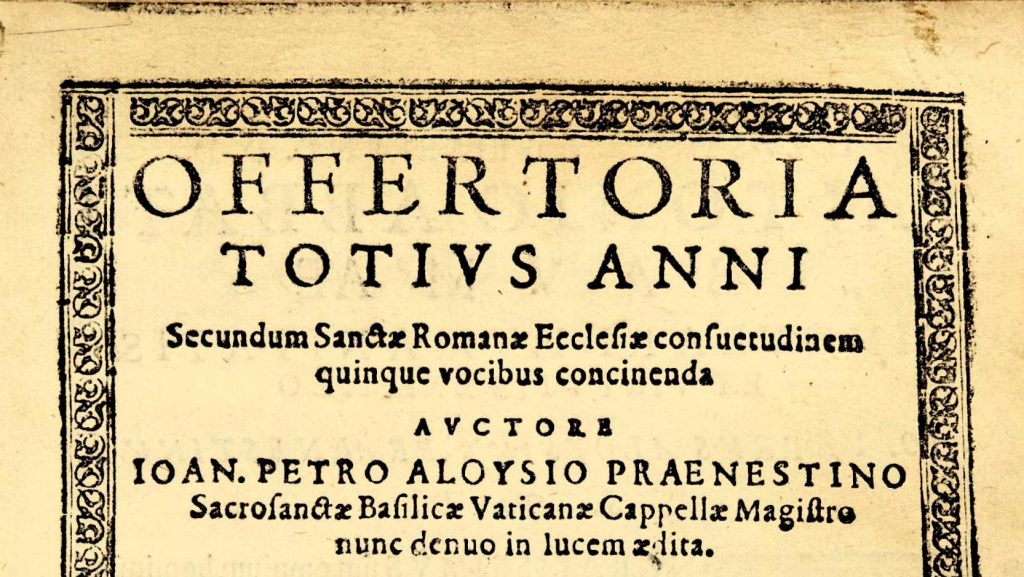 Giovanni Pierluigi da Palestrina died on 2 February 1594. Several months earlier, a collection of 68 motets was published. Although it appeared at the end of 1593 it is generally thought that these motets were composed over a period of years. Many have interpreted this publication as a summation of …
The motet Ad te levavi animam meam by Palestrina Read More »
- A biographical note on the composer António de Oliveira
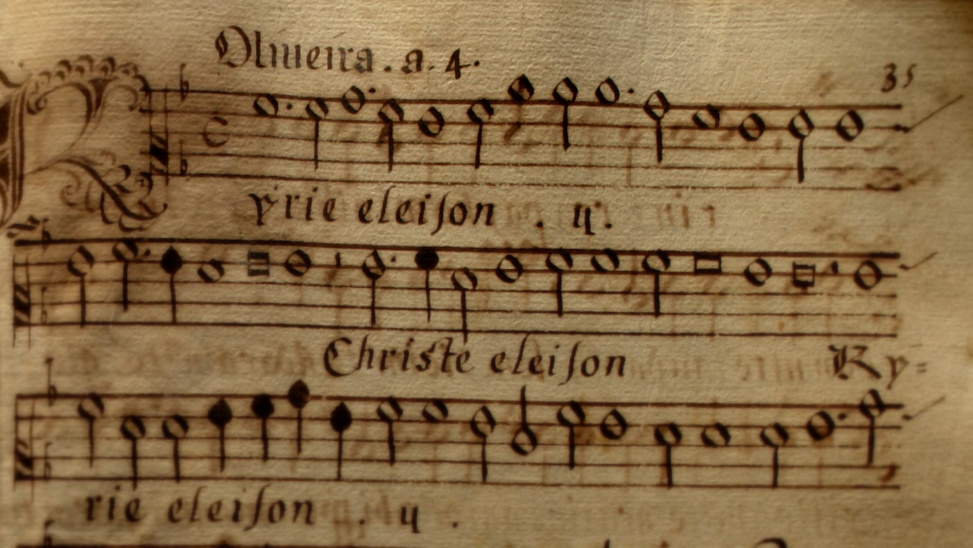 Not much is known about the Portuguese composer António de Oliveira, besides that he was active in the last decades of the sixteenth century. Much of what is known about him comes from the short entry of Diogo Barbosa Machado’s Bibliotheca Lusitana and must be interpreted as accurate as the …
A biographical note on the composer António de Oliveira Read More »
- The Medieval Soundscape of Évora from a 17th-Century Perspective
 Most of the published studies about the history of music in the Portuguese city of Évora have begin chronologically in the first decades of the sixteenth century onwards. This period corresponded to the activity of the Spanish chapel master Mateus d’Aranda at Évora Cathedral. The successors of Aranda both as …
The Medieval Soundscape of Évora from a 17th-Century Perspective Read More »
- Pueri Hebraeorum vestimenta by Simão dos AnjosThe city of Évora, Alentejo, Portugal, is known for its musical history regarding the great Portuguese masters of polyphony of the first half of the seventeenth century. Names like Fr. Manuel Cardoso, Duarte Lobo, Filipe de Magalhães are known throughout the world as leading figures with biographical and professional relations …
- The Magnificat Quarti Toni by Duarte Lobo
 In 1626 the Portuguese theorist Antonio Fernandes dedicated his Arte de Musica to his former master Duarte Lobo praising him as one of the most illustrious Portuguese masters. Duarte Lobo is included in the trio of Portuguese composers (the other two being Fr. Manuel Cardoso and Filipe de Magalhães) with …
 - The motet Ave gratia plena by Cornelis Verdonck
 Flemish composer and singer Cornelis Verdonck was born in Turnhout sometime during the year 1563 and died in Antwerp on 5 July 1625. He was a choirboy at Antwerp Cathedral and in 1572 was enrolled as a singer at the court of Felipe II of Spain being colleague to other …
 - The villancico “Quem vio hum menino” by António Marques Lésbio
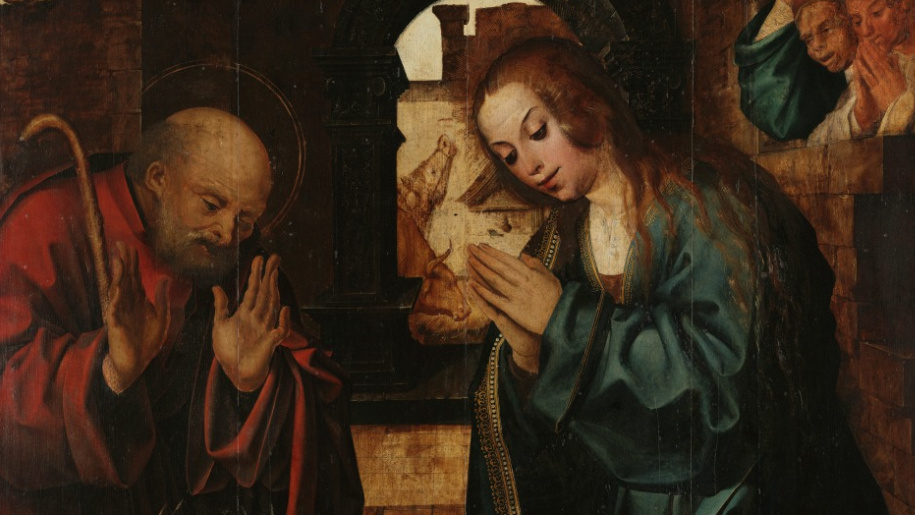 Most of the posts on the Cantum Mensurable blog have focused on sacred music, in particular Latin polyphony. The corpus of Portuguese music of the sixteenth and seventeenth centuries is rich in para-liturgical and religious thematic music being the villancico in the centre of this interesting repertory. In the case …
The villancico “Quem vio hum menino” by António Marques Lésbio Read More »
- The motet O magnum mysterium by Cristóbal de Morales
 Many sixteenth and seventeenth-century composers have set the text O Magnum mysterium with wonderful polyphonic results, such as Willaert, Gabrieli, Palestrina, Victoria, and, Morales only to name a few. In Portugal during this period we find at least three settings of this text – all as responsories – by Pedro …
The motet O magnum mysterium by Cristóbal de Morales Read More »
- Two Magnificat Settings by Francesco Soriano
 Francesco Soriano is one of the cases where composers of the same generation become lesser known than the popular composers of the time, and the last decades of the sixteenth century were a great time to be forgotten from the mainstream Music History books. It was the case in Italy …
 - Alma Redemptoris Mater by Giovanni Pierluigi da Palestrina
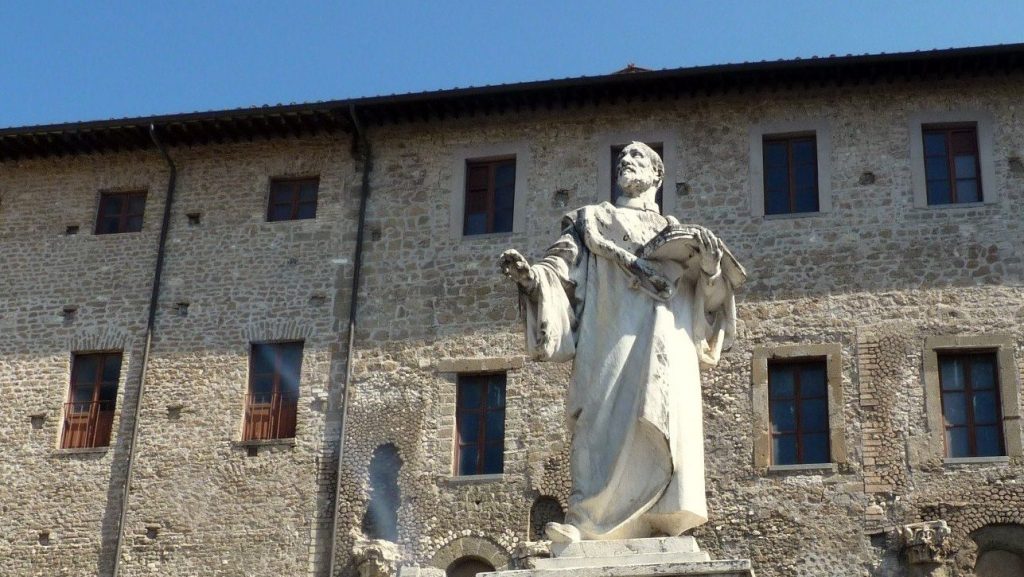 Palestrina is most certainly the sixteenth-century composer who printed almost all of his music production. The fact that his career developed in Rome, centre of the Catholic world and of important figures of the Church, contributed considerable for the numerous books of masses, motets, hymns, lamentations among many other works …
Alma Redemptoris Mater by Giovanni Pierluigi da Palestrina Read More »
- In manus tuas attributed to Tomás Luis de VictoriaI have always been a fan of small-scale polyphonic works. In the case of Portuguese sixteenth and seventeenth-century polyphony, I have always included brief works, mostly the Jesu Redemptor settings, in concert programmes and recordings. These works are often forgotten from concert programmes due to their small scale length. One of these …
In manus tuas attributed to Tomás Luis de Victoria Read More »